

I want to tell you about the moment I truly understood passive income.
It wasn’t when I read about it in some business book, or when a guru on YouTube explained it with a whiteboard and a lot of hand gestures. It was when I opened my laptop one morning, made myself a cup of tea, and found out that someone had bought something from me at two o’clock in the morning while I was fast asleep.
I hadn’t done anything. I hadn’t sent an email, answered a message, or posted on social media. I’d just gone to bed, and while I was sleeping, someone on the other side of the world found exactly what they needed and paid for it.
That product was a checklist.
Not a course. Not a membership. Not a complicated digital product that took months to build. A simple, practical, step-by-step checklist that I’d put together in an afternoon, listed on Etsy, and more or less forgotten about.

If you’ve been wondering whether there’s a side hustle that works without a following, without paid ads, and without you being glued to your phone all day, this is one of the most solid answers I’ve found.
Why People Will Always Pay for a Good Checklist
Before we get into the how, it’s worth understanding the why, because it’s actually quite reassuring.
People love checklists. Not because they’re lazy, but because life is complicated and mental load is real. When someone is planning a wedding, preparing their house for sale, starting a new exercise routine, or setting up a small business, they don’t want to trawl through forty blog posts and piece together a plan from scratch. They want one clear document that tells them exactly what to do and in what order.
A well-made checklist removes that effort. It removes the anxiety of forgetting something important. It gives the buyer a sense of control and a clear starting point. And because it does all of that in a format that fits on one or two pages and can be downloaded instantly, people buy them without a great deal of hesitation.

Who Actually Buys Checklists
This is something I wish someone had told me earlier, because it genuinely changes how you think about what to create.
There are two quite different types of buyers, and understanding both of them opens up more earning potential than most people realise.
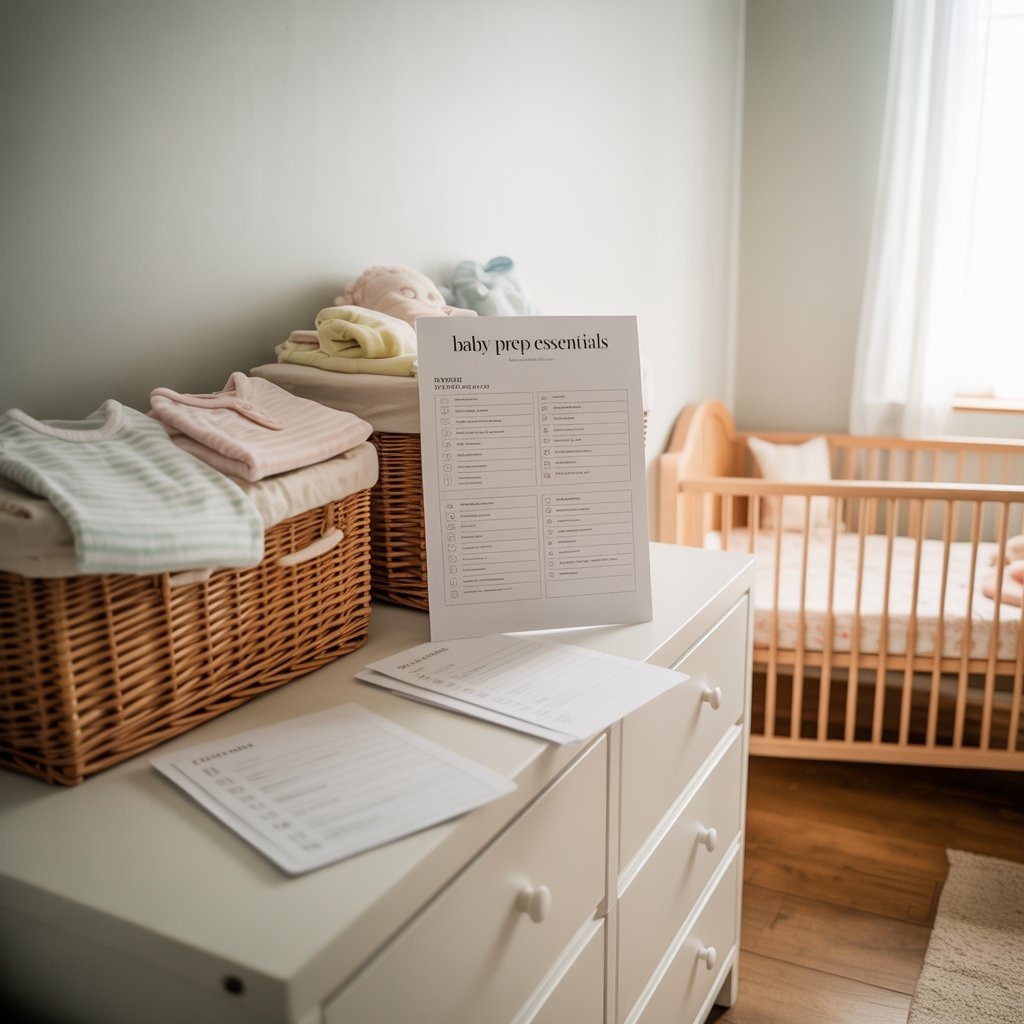
The first is everyday people going through a transition or preparing for something. They’re planning a wedding, expecting a baby, organising a house move, starting a garden, or trying to get on top of their finances. They don’t want to piece together advice from dozens of sources. They want one clean document that tells them exactly what to do. The price point here is low enough that it feels like an easy decision, which means they buy quickly and without much deliberation.
The second group is professionals and small business owners. Think coaches, estate agents, virtual assistants, teachers, event planners, and HR managers. They buy checklists to use with their own clients or to keep their internal processes running smoothly. This group often pays more, buys in bundles, and comes back for additional products once they’ve found a seller they trust. If you create checklists aimed at a professional audience, you can charge considerably more and sell in higher quantities.
Both markets are worth pursuing. Starting with the consumer side is easier because the niches are more obvious, but keeping the professional angle in mind as you build your catalogue can significantly increase your income over time.
What Kind of Checklists Actually Sell
The short answer is: specific ones.
A checklist called “Moving House Checklist” is fine. A checklist called “First Week in Your New Home: Everything to Sort Before You Unpack” is better. The more precisely your checklist matches what someone is already searching for, the more likely they are to find it and buy it.
The best-selling niches tend to cluster around moments of transition or preparation. Think about the times in life when people feel slightly overwhelmed and want a clear plan: starting a new job, having a baby, launching a small business, preparing for a holiday, renovating a room, adopting a pet, getting fit after a long break, organising finances before retirement.
Seasonal content also sells consistently year after year. A Christmas preparation checklist, a new year financial review checklist, a spring cleaning list. You create it once, and it earns every time that season rolls around again.
The golden rule is to go narrower than you think you need to. Not “gardening checklist” but “setting up your first raised vegetable bed from scratch.” Not “business checklist” but “what to do in your first 30 days as a freelancer.” The right buyer sees that title and thinks: that is exactly what I need.

How AI Turns This Into a Realistic Side Hustle
With an AI tool like ChatGPT, creating a detailed, well-organised, beginner-friendly checklist takes about an hour from start to finish. You give it a clear prompt describing what you want, it generates a thorough draft with logical phases and specific action steps, and then you spend a short while reviewing it, adding personal touches, cutting anything generic, and making sure it reads the way you’d want it to.
That’s the whole production process. No research rabbit holes. No staring at a blank document wondering if you’ve covered everything. The AI does the heavy lifting, and you bring the judgment.
There’s also a time-saving trick that makes building a catalogue much faster than it sounds. Once you’ve created a checklist for one topic, you can ask the AI to adapt the same structure for a related niche. A checklist for launching a podcast becomes a checklist for launching a YouTube channel or a newsletter. The framework stays the same, the content shifts. That’s how you go from one product to twenty in a matter of weeks rather than months.
If you’ve downloaded the AI Prompt Pack that goes with this series, you’ve already got the exact prompt to use for this one. If not, you can grab it here.
Getting It Designed Without Being a Designer
You do not need Photoshop, InDesign, or any professional design tool. Canva has dozens of free checklist templates that look clean and professional, and customising one takes about fifteen minutes once you know what you’re doing.
Pick a template that’s clear and uncluttered. Swap in your content. Adjust the fonts and colours if you like, or leave the template as it is. Export it as a PDF. That’s your finished product.
One thing that does make a difference is offering an editable version alongside your print-ready PDF. If you save your Canva design as a shareable template link, buyers can personalise it themselves. This adds perceived value, justifies a higher price, and costs you nothing extra to produce.
Where to Sell and How to Price Your Checklist
Etsy is the most straightforward place to start. Millions of people search Etsy specifically for digital downloads, and the platform handles payment and instant delivery automatically. Once your listing is live, Etsy sends the file to the buyer the moment they check out. You don’t need to do a thing.
Other options worth knowing about are Gumroad, which lets you build a simple storefront without a monthly fee, and Creative Market and Payhip if you want to reach a slightly different audience. None of them require a following to get started. They all bring their own search traffic.
On pricing, a rough guide that works well in practice looks something like this. A single checklist sits comfortably between £2.50 and £5 for a consumer audience. It’s an impulse buy at that price, which means less friction and faster sales. A bundle of five to ten related checklists can go for £8 to £15, which feels like excellent value to the buyer and increases what each customer spends with you. If you’re creating checklists for a professional audience and offering editable versions, you can charge significantly more, sometimes £20 to £35 for a polished bundle with templates included. The content is the same. The audience and the format justify the higher price.

Getting Found on Etsy Without a Following
Your listing title and tags are what determine whether people find you, so it’s worth taking a little time here. Put your most important search terms in the first forty characters of your title, because that’s what shows up in search results before the text gets cut off. Use all thirteen available tags, and look at what similar bestselling listings are using. This isn’t guessing — it’s paying attention to what already works.
Reviews matter enormously on Etsy, and the fastest way to get them early on is to price your first listing low for the first week or two. A handful of positive reviews gives new buyers the confidence to purchase without hesitation. Once you have ten to twenty good reviews, bring the price back up to where it belongs. Those early reviews do a lot of quiet work for you long after that launch period is over.
From One Checklist to a Proper Income Stream
One checklist is a small thing. A collection of ten checklists aimed at the same audience is a business.
The real earning potential here comes from building a catalogue. If you start with a checklist for first-time dog owners, your next one might cover puppy training, then settling a rescue dog, then preparing for a vet visit. Same buyer, multiple products. Each one adds to your monthly income without requiring you to find a new audience.
Bundles are particularly effective. A set of five related checklists at £12.99 feels like excellent value compared to buying them individually, and it increases what each customer spends in one go. And once you have a small catalogue, the same buyers who found your checklist will naturally browse your other products, which is how a single sale quietly becomes a returning customer.
It’s also worth knowing that checklist buyers are often the same people who buy planners, trackers, and worksheets. Your catalogue can expand naturally into those adjacent formats without you having to start from scratch or find a completely new audience.
For a more detailed look at building digital products beyond checklists, this post on low-maintenance side hustles is a good next read. [internal link]

Starting with one checklist this week is entirely realistic. You don’t need a perfect niche, a finished brand, or ten products ready to go. You need one idea, one afternoon, and the AI prompt that tells you exactly what to type.
The prompt pack has everything you need to get started.

Have you ever bought a checklist or planner online? Or is this the first time you’ve thought about selling one? I’d love to hear where you’re at in the comments below.